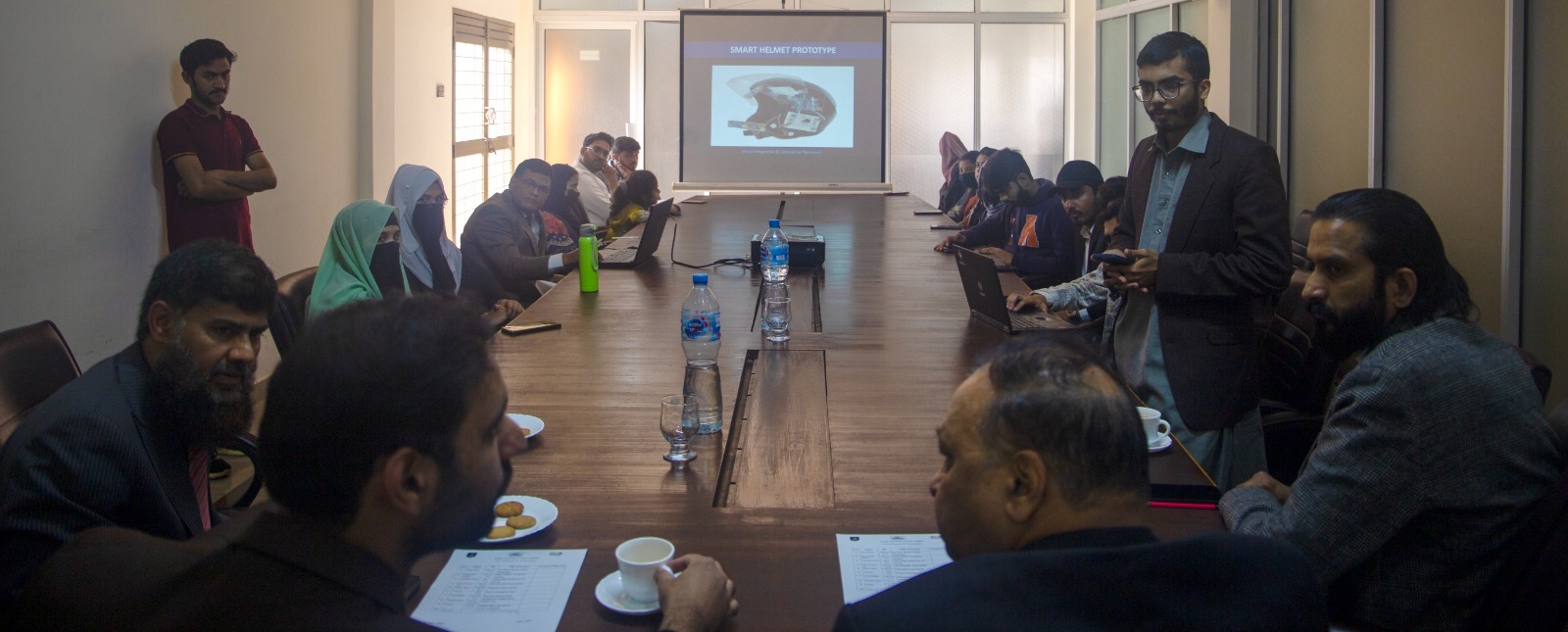
The Leads Research and Development Center (LRDC), Lahore Leads University, in collaboration with Superior University, organized an insightful Research Week event titled “Panel Discussion/Dialogue: Sociological Perspective of Rural Poverty in Pakistan – Climate Resilience Approach.” This significant event brought together a distinguished assembly of panelists, including experts, policymakers, academicians, and research scholars, to delve into one of the most pressing national issues of our time. The primary focus of the event was to examine rural poverty in Pakistan through a sociological lens, with an emphasis on climate resilience as a potential pathway to sustainable solutions.
Objectives of the Event
The overarching aim of this panel discussion was to foster a multidimensional understanding of rural poverty in Pakistan by integrating sociological insights and climate resilience strategies. The event sought to:
- Facilitate Knowledge Exchange: Create a platform for intellectual exchange among stakeholders with diverse expertise.
- Highlight Intersections: Explore the intersection of rural poverty and climate change, with a focus on resilience and adaptability.
- Generate Practical Solutions: Develop actionable recommendations to inform policy and practice, addressing the challenges faced by rural communities.
- Encourage Collaborative Efforts: Strengthen collaboration between academia, policymakers, and practitioners to combat rural poverty.
Key Themes Explored
Sociological Dimensions of Rural Poverty
The discussion opened with a comprehensive analysis of the sociological dimensions of rural poverty. Panelists highlighted the structural inequalities and systemic challenges that perpetuate poverty in rural areas. They examined factors such as land ownership disparities, lack of access to quality education, healthcare, and employment opportunities, as well as the impact of social norms and cultural practices on poverty levels. These issues were contextualized within Pakistan’s unique social and economic landscape, emphasizing the need for targeted interventions that address the root causes of poverty.
Climate Change and Its Impact on Rural Communities
Climate change emerged as a critical factor exacerbating rural poverty. Panelists discussed how rising temperatures, unpredictable rainfall patterns, and extreme weather events have severely impacted agriculture, the primary source of livelihood for rural populations in Pakistan. They underscored the vulnerability of small-scale farmers and marginalized communities who lack the resources to adapt to these changes. The discussion also shed light on the gendered impacts of climate change, noting that women in rural areas often bear the brunt of its adverse effects due to their roles in agriculture and household management.
Climate Resilience as a Pathway to Poverty Alleviation
A significant portion of the dialogue was dedicated to exploring climate resilience as a strategy for poverty alleviation. Panelists emphasized the importance of building adaptive capacities within rural communities to withstand and recover from climate-related shocks. They discussed various approaches, including:
- Sustainable Agricultural Practices: Promoting practices such as crop diversification, organic farming, and water-efficient irrigation techniques to enhance agricultural productivity and resilience.
- Community-Based Adaptation: Engaging local communities in the design and implementation of climate resilience initiatives to ensure they are contextually relevant and sustainable.
- Infrastructure Development: Investing in resilient infrastructure, such as flood-resistant housing and roads, to reduce vulnerability to climate impacts.
- Capacity Building and Education: Providing training and education to empower rural populations with the knowledge and skills needed to adapt to changing environmental conditions.
Outcomes and Contributions
One of the most significant outcomes of the event was the development of a rich resource in the form of working papers and policy recommendations. These documents synthesized the insights and recommendations generated during the discussion, offering a roadmap for addressing rural poverty through a climate resilience approach. Key recommendations included:
- Policy Integration: Encouraging the integration of climate resilience strategies into national poverty alleviation programs and policies.
- Resource Allocation: Ensuring adequate funding and resources for climate resilience initiatives targeting rural areas for poverty alleviation.
- Green Revolution: Enhance the subsidies in solar power, bio-gas and other infrastructure development initiatives for improvement of agriculture production in rural areas.
- Research and Innovation: Promoting research and innovation to develop context-specific solutions for rural communities to diminish the level of poverty.
- Public-Private Partnerships: Leveraging partnerships between government, private sector, and civil society to scale up successful climate resilience initiatives for poverty alleviation.
- Monitoring and Evaluation: Establishing robust mechanisms to monitor and evaluate the effectiveness of climate resilience interventions.
Reflections and Future Directions
The panel discussion underscored the urgent need for a holistic approach to addressing rural poverty in Pakistan. By integrating sociological insights with climate resilience strategies, stakeholders can develop more effective and sustainable solutions to this complex issue. The event also highlighted the importance of continued dialogue and collaboration among diverse stakeholders to ensure that the voices of rural communities are heard and their needs are met.
Looking ahead, the LRDC and Superior University plan to build on the momentum generated by this event. Future initiatives may include:
- Organizing follow-up workshops and seminars to further explore specific aspects of rural poverty and climate resilience.
- Expanding research efforts to include longitudinal studies on the impact of climate resilience initiatives.
- Strengthening partnerships with international organizations to leverage global expertise and resources.
Conclusion
The “Panel Discussion/Dialogue: Sociological Perspective of Rural Poverty in Pakistan Climate Resilience Approach” was a landmark event that brought together a wealth of knowledge and expertise to address one of Pakistan’s most pressing challenges. By fostering a collaborative and interdisciplinary approach, the event not only enriched the understanding of rural poverty but also laid the groundwork for practical, sustainable solutions. The insights and recommendations generated during the discussion have the potential to drive meaningful change, ensuring a brighter and more resilient future for Pakistan’s rural communities.